

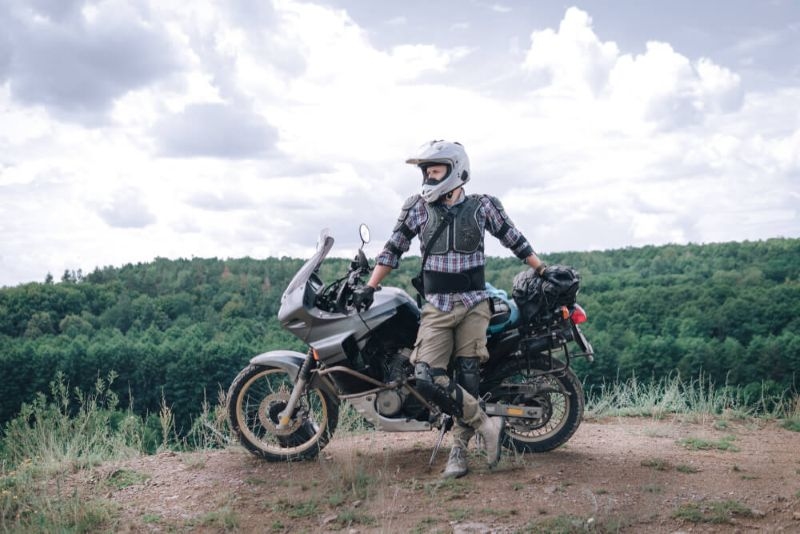
There’s something strangely satisfying about loading up your bike, picking out a route, and just—going. No strict plans. No airport lines. Just the road stretching out and the gentle buzz of your engine. Riding long distances isn’t really just travel; it’s one of those experiences you carry with you.
But let’s be real. Great trips aren’t luck—they’re built on smart choices, some careful planning, and figuring out what actually matters once you’re way out from home. So, here’s how to make your ride smooth, safe, and worth remembering.
Planning a big bike journey isn’t about getting everything perfect; it’s more about being ready. You don’t need to micro-manage every mile, just make sure you’ve got a good foundation.
First off, why are you even taking this trip? Is it a quick weekend escape along scenic highways, or are you crossing a state or two? Your reason shapes everything else.
Once you’ve nailed that, sketch out your motorcycle route. Google Maps, or apps like Rever and Calimoto, are your friends for finding roads made for bikers.
Think about:
The fun part? The best rides aren’t always about speed. Sometimes it’s those detours that stick in your mind.
Look, it’s easy to overdo it and stack too many miles in a day. People do it once and regret it. For most riders, somewhere between 250 and 400 miles is comfy. Pushing more means fatigue creeps in, and things stop being fun.
Every couple of hours, pull over. Stretch. Drink some water. You’ll thank yourself later.
A good checklist can save you tons of headaches. Forgetting one little thing can turn into a big problem miles from anywhere.
Keep it practical.
Your gear isn’t just for looks—it keeps you safe.
Bring these:
The weather changes fast. The right gear keeps you comfortable and focused, no matter what.
This stuff gets neglected, and you end up regretting it.
Pack:
Honestly, that tiny toolkit feels unnecessary at home until you’re stranded somewhere.
Budgeting isn’t thrilling, but it’s way more important than people expect. A smart budget lets you enjoy your ride without worrying every mile.
Think big categories:
Apps like Fuelly can help with gas estimates. And always stash a little extra for random stuff—a flat tyre, surprise hotel stop, weather delays. It adds up.
You don’t have to blow cash at every turn.
But don’t go overboard. Sacrificing decent food or rest makes the trip rough and can mess with your focus.
Don't Miss: Flying Flea Motorcycle Review Retro Power Meets Future
Packing's tricky. Either you take too much, or you leave behind something vital.
Balance is key.
Keep your essentials simple:
Little things change everything. Imagine running out of phone battery when you need directions—not good.
Bikes have limited space. So, make every item count. Saddle bags or panniers help keep things organized. Put your must-have stuff where you can reach it.
If you haven’t used something on past trips, leave it out. Seriously.
Some advice looks great online—kind of useless on the road. Let’s stick to what genuinely improves your trip.
Plans change. Weather shifts. Roads close. You’ve got to roll with it.
Sometimes the last-minute stop is the best part.
Long rides wear you out. Watch for:
Stop when you need to. Adjust your speed if you’re tired. For your bike—if it sounds weird or vibrates oddly, pay attention.
Even if the road’s empty, keep your eyes open. Stick to safe distances, watch for random lane changes, and stay alert at intersections.
Simple, but vital. Alert riding is what keeps you safe.
Not every bike’s built for long trips. You might not need a new bike, but you do need the setup to make it comfy.
Seat cushions, handlebar tweaks, windshields—they all help.
Think about:
Small fixes can make a huge difference over long rides.
Give your ride a once-over:
Routine, but it can save you from big trouble later on.
Also Read: Motorcycle Travel Safety Tips for Smart and Safe Riding
A long-distance bike trip isn’t just a ride; it’s a memory you’ll hang onto. The freedom, the open road, the surprise stops—it all adds up to something you don’t forget.
The difference between a smooth trip and a stressful one? Getting prepared. A clear plan, a solid checklist, a realistic budget, and practical touring tips can transform everything.
There’s no fixed rule. A long-distance bike trip can range from a weekend ride to a multi-week journey. What matters more is how comfortable you feel with the distance and how well you plan your stops and rest periods.
The most important part is safety and essentials. Your riding gear, documents, and basic repair tools should always be included. These items ensure you can handle both routine and unexpected situations on the road.
Your bike travel budget depends on distance, fuel efficiency, and accommodation choices. On average, riders should account for fuel, food, stays, and a small emergency fund to cover unexpected expenses.
Focus on staying comfortable and alert. Take regular breaks, stay hydrated, and avoid pushing beyond your limits. Also, keep your plans flexible so you can adapt to weather or road conditions easily.
This content was created by AI