

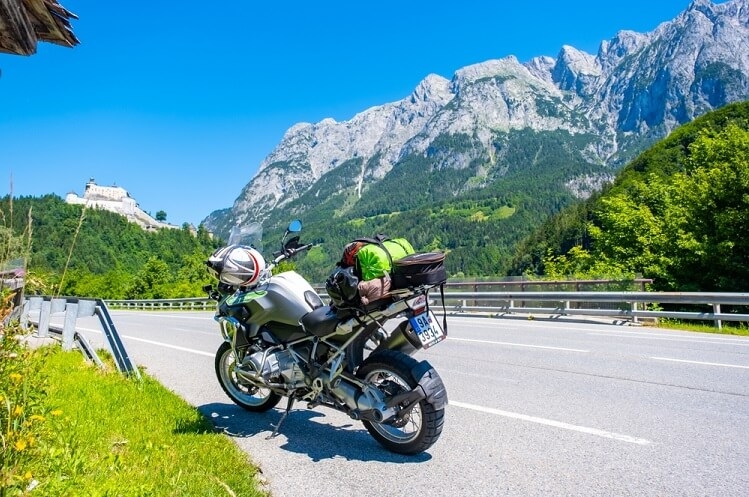
A motorcycle adventure is about riding long roads with focus and preparation. It involves planning, discipline, and the ability to adapt as conditions change. This blog explains why motorcycle travel is popular, what riders should know before a cross-country motorcycle trip, what to expect during a Himalayan motorcycle tour, and how to manage long-distance motorcycle travel in a safe and steady way.
Motorcycle travel continues to grow because it gives riders a strong sense of control. There are no fixed schedules forcing decisions. Riders move when they are ready and stop when needed.
Another reason is clarity. Riding for hours removes noise from daily life. During a motorcycle adventure, the mind focuses on the road, balance, and surroundings. This focus creates calm without effort.
There is also the personal reward. Completing a long ride builds confidence. Whether it is a cross country motorcycle trip or an international motorcycle trip, finishing the journey brings quiet satisfaction.
Many riders also value connection. They interact with people, weather, and landscapes directly. This direct experience is something other travel methods cannot easily offer.
A cross country motorcycle trip demands more than excitement. Preparation makes the difference between stress and steady progress. Knowing the basics helps riders avoid avoidable problems.
Every cross-country motorcycle trip should begin with route planning. Riders need to understand road types, fuel stops, and daily distance limits. This prevents rushed riding and confusion.
Planning also helps riders avoid unsafe roads. Studying maps and local advice keeps the journey smooth and predictable, even during long riding days.
Long hours on a motorcycle affect the body. Neck, shoulders, and lower back often feel strained. Riders should stretch daily and take short breaks when needed.
Ignoring discomfort leads to fatigue. During long distance motorcycle travel, managing physical health helps maintain focus and reaction time.
A cross country motorcycle trip requires a valid license and permit. Riders should carry copies and keep originals safe.
For an international motorcycle trip, checking local rules is important. Missing documents can stop progress instantly, regardless of experience.
Weather conditions change quickly during long rides. Rain, wind, and temperature shifts affect safety.
Checking forecasts daily allows riders to plan better riding hours. Awareness reduces risk during unexpected changes.
A Himalayan motorcycle tour offers a different rhythm. Your riding speed slows down as your attention increases. The reason is that the Himalayan environment demands respect from all riders.
Mountain roads are narrow and uneven. During a Himalayan motorcycle tour, speed becomes secondary. Balance and control matter more.
Thin air also affects breathing. Riders learn to pace themselves without pushing too hard.
Small settlements appear along the route. Life moves slowly. Meals are simple. Mornings are quiet.
These moments add depth to a motorcycle Himalaya adventure. They allow riders to pause and observe without distraction.
Long mountain stretches require patience. There may be limited traffic and few signs.
A Himalayan motorcycle tour strengthens mental focus. Riders learn calm decision-making under pressure.
The scenery changes often. Open valleys lead to rocky passes. Snow views appear without warning.
This variety keeps riders engaged. A motorcycle Himalaya adventure rarely feels repetitive or dull.
Long distance motorcycle travel becomes manageable through routine. Small habits repeated daily help reduce risk and stress.
Before starting each day, riders should check tires, brakes, lights, and fuel. These checks take minutes but prevent major issues.
Mechanical awareness is important during long distance motorcycle travel, especially in remote areas.
Maintaining a steady pace reduces fatigue. Sudden movements increase risk.
During an international motorcycle trip, smooth riding conserves energy and improves overall safety.
Eating light meals and drinking water regularly supports focus. Heavy meals slow reaction time.
Skipping food causes weakness. Long distance motorcycle travel requires steady energy throughout the day.
Sharing daily routes with someone adds safety. Updates help others track progress if needed.
This becomes essential during an international motorcycle trip across unfamiliar regions.
Choosing the right time matters a lot for riding in the mountains. Weather and road access decide how smooth or difficult the journey will be.
Mountain roads remain open only during certain months. Snow clears out during the riding season, making routes safer and easier to manage for riders.
The best riding time offers calm weather. Fewer storms and steady temperatures help riders stay focused and comfortable during long riding days.
Clear skies improve visibility on mountain roads. Riders can see curves, slopes, and road changes early, which helps in safe decision making.
Moderate weather lowers body stress. Riders handle long hours better when cold and extreme heat are not constant challenges.
A motorcycle adventure from the USA to the Himalayas requires planning, patience, and steady habits. With preparation and awareness, the journey becomes safe, meaningful, and deeply rewarding.
A cross country motorcycle trip is better for riders with basic experience and comfort on long rides.
A Himalayan motorcycle tour demands focus due to altitude and road conditions, but it remains manageable with preparation.
Fatigue, weather, and poor planning affect long distance motorcycle travel more than distance alone.
An international motorcycle trip becomes simple with proper documents, route research, and time management.
A motorcycle Himalaya adventure offers quiet roads, personal challenge, and a strong sense of achievement.
This content was created by AI