

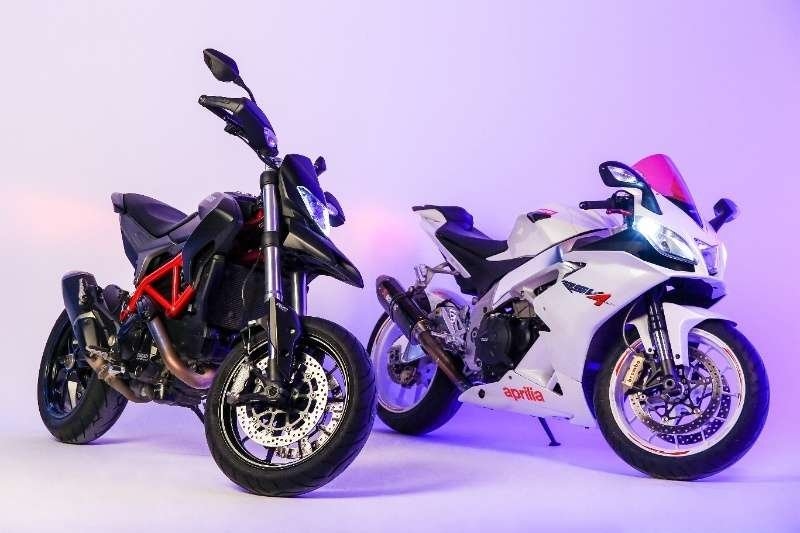
Deciding on a naked bike vs. a sport bike can be overwhelming, particularly for motorcycle riders purchasing their very first motorbike or considering an up-to-date model. Each provides wonderful fun when riding; it is only a matter of choosing the one that aligns the right way with the way you ride.
The comparison of a naked bike and a sport bike always starts with the design. Naked bikes and sport bikes are part of today's street bikes, but they are meant for two different types of riders.
As with most motorcycle comparisons, it all boils down to a matter of ease of use or maximum performance. Knowledge of these significant differences is the first step in choosing the right.
The first order of business that should help distinguish these street bikes is their looks.
When comparing the best motorcycles, styling means not just the aesthetic but also how that styling impacts the motorcycle.
The performance is another big factor in the naked bike vs sport bike discussion. A lot of sport bikes are designed to produce more horsepower and have a 'performance tune' for snappy acceleration. They also have suspension, brakes, and aerodynamic parts for high-speed riding on highways and race tracks.
Most street bikes in the naked class share similar engines—they are tuned for a smoother power delivery at the lower and middle rpm ranges, making them easier to ride for city-crawling, overtaking, and everyday life.
These major differences become more evident in the saddle. Sport bikes deliver the rush only when the speed is high, naked bikes have an almost linear power band, suitable for daily driving.
In terms of riding comfort, naked bikes generally hold the upper hand. The more upright seating attitude relieves the pressure on the wrists, shoulders, and lower back. The rider can comfortably stay out on the road all day without tiring out. Naked street bikes make ideal commuting bikes, weekend cruisers, and touring bikes.
Sport motorcycles emphasize the rider's "over-aggressive" body position, putting more stress on the rider's wrists and requiring a more forward-leaning position. This position gives better handling when riding hard but may not be as comfortable when riding slowly in traffic or on a long trip.
For a lot of motorcyclists, the comfort on a bike is much more important than the performance; hence, this is one of the biggest key differences between these two types of bikes.
A motorcycle comparison should also assess how a bike performs in different environments.
If the bulk of your riding is in urban settings, a naked street bike may be more appropriate than a top-performing sport bike. For the performance-minded, sport bikes deliver the best performance.
All riders need to be aware of the positives and negatives before purchasing.
How on earth do you compare these? By looking closely at these pros and cons, it becomes a lot easier to compare the motorcycles.
Whether a naked bike or a sport bike is better really depends on how you are actually riding.
Don't select a motorcycle based purely on appearance; rather, go for a motorcycle depending on riding styles and intended functions. Know the main differences, measure the advantages and disadvantages, and do a truthful motorcycle comparison.
Ultimately, the naked bike vs sport bike debate isn't about which motorcycle is 'better' overall, but about which motorcycle is best suited to your style of riding. Naked street bikes offer superb riding comfort, good all-round versatility and practicality, and a great amount of usability each day.
Meanwhile, sport bikes offer the exciting performance potential and much crisper handling. If you make a detailed motorcycle comparison by considering the main differences and benefits of each, you can't go wrong with the perfect bike to give you years of riding enjoyment!
There are some low-powered beginner sport motorcycles that are appropriate for novices; a lot of them have a very fast engine response and a really focused riding position. Beginners may find it more suitable to begin with a street motorcycle that has an upright riding position and fewer bodywork panels, like the naked street motorcycle.
In most cases, they have fewer body panels to repair or replace after minor low-speed tip-overs and are typically simpler for your mechanic to do repairs on due to the greater access to the engines compared to a sport motorcycle with fully covered bodywork.
For a speed-oriented experience, then a sport bike is ideal, but for the overall better riding comfort and visibility while still offering adequate performance, then a naked street motorcycle is more preferable, especially over longer distances.
Many sporty bikes will have higher insurance premiums, as they tend to offer higher rates of performance and incur more in crash damage repair than naked street motorcycles. However, rates can differ drastically, and it usually depends on things like engine size, your location, rider experience, and driving record.
This content was created by AI